
Nepal Flood 2026: Causes, Impact, Related Flood Risks and Lessons for Disaster-Resilient Infrastructure

Nepal Flood 2026: Causes, Impact, Related Flood Risks and Lessons for Disaster-Resilient Infrastructure
Published: August 29, 2026
Category: Civil Engineering, Disaster Management, Flood Engineering
Nepal is once again facing a devastating flood disaster, highlighting the vulnerability of Himalayan communities to sudden changes in rivers, rainfall, glaciers and mountain terrain.
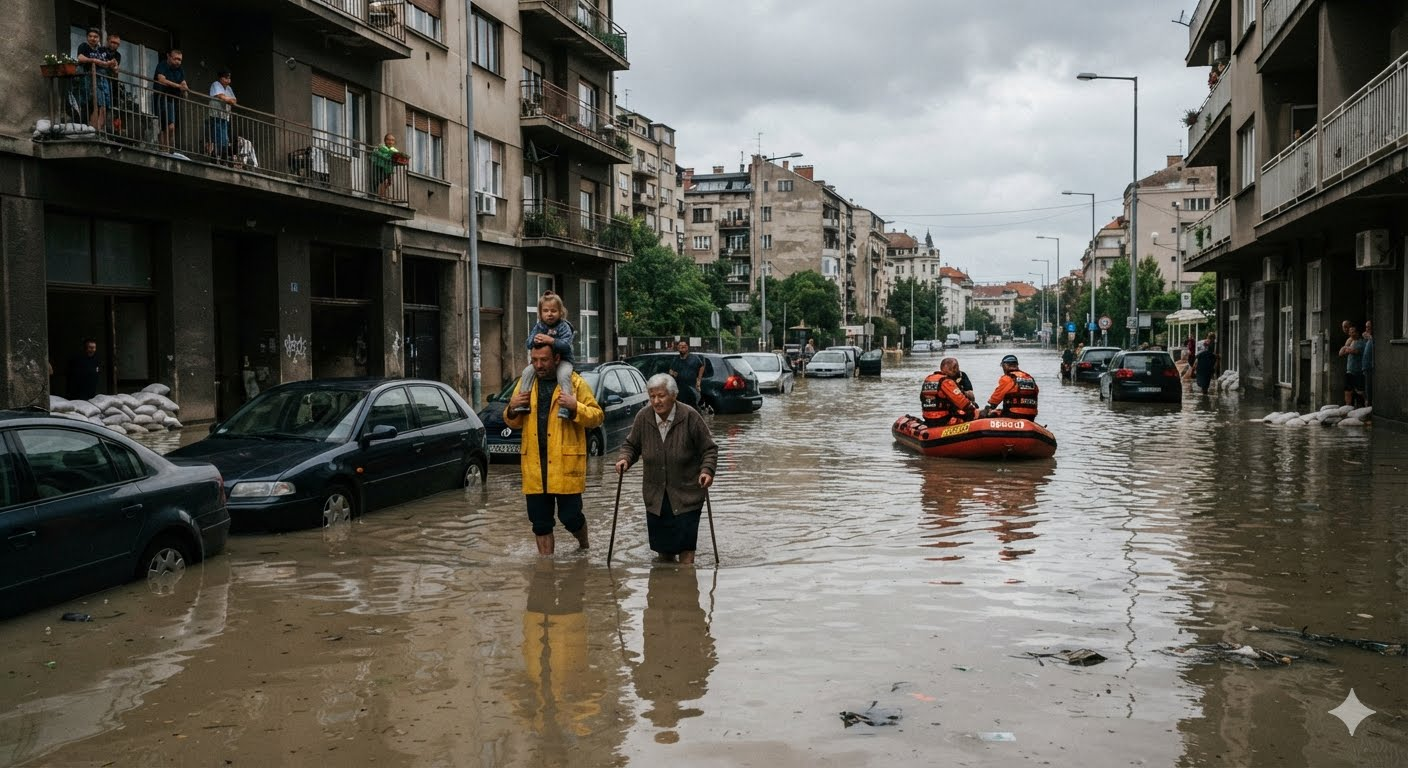
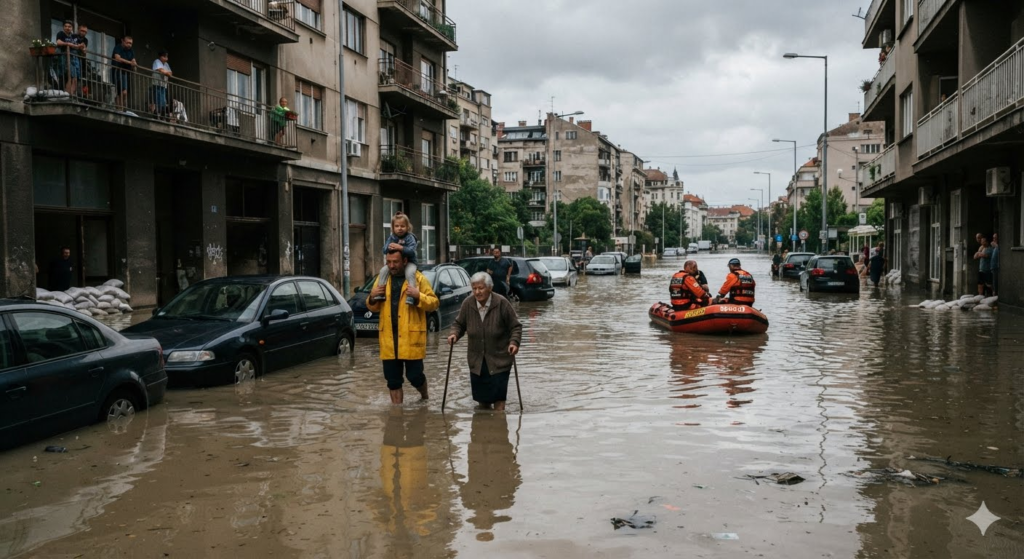
On 26 August 2026, severe flash flooding affected areas along the Bhote Koshi and Trishuli river corridors. The disaster caused extensive damage to homes, roads, bridges, hydropower facilities and other critical infrastructure. Search, rescue and relief operations have continued as authorities assess the full scale of the damage.
The event is particularly important from a civil-engineering perspective because it demonstrates how quickly a combination of mountain hazards, water flow, landslides, debris and infrastructure vulnerability can develop into a major disaster.
What Happened in Nepal?
The latest disaster primarily affected parts of central Nepal, including communities along the Bhote Koshi and Trishuli river systems.
According to WHO Nepal, flooding in the Rasuwa area followed a sudden surge of water into the Bhote Koshi River from the Tibet region, possibly associated with an upstream ice avalanche and temporary damming of the Lhende River. Investigations into the exact sequence and contributing factors are continuing.
The combination of steep Himalayan terrain and confined river valleys can make these events particularly dangerous. When a large volume of water and debris suddenly enters a narrow river channel, the resulting flood wave can travel rapidly downstream.
Nepal’s government has mobilized security forces, disaster-management agencies, local authorities and health services for search and rescue, evacuation, medical assistance and relief operations.
Why Are Floods Common in Nepal?
Flooding is not a new hazard in Nepal.
Nepal’s Disaster Risk Reduction Portal identifies floods and landslides among the country’s major natural hazards. The country has thousands of rivers and rivulets flowing from the Himalayas through the hills toward the Terai plains. During the monsoon season, river levels can rise rapidly and affect settlements, agricultural land, roads and other infrastructure.
Several factors contribute to Nepal’s flood risk:
1. Heavy Monsoon Rainfall
Nepal receives substantial rainfall during the South Asian monsoon. Intense rainfall over a short period can produce rapid increases in river discharge.
When rainfall exceeds the infiltration and drainage capacity of soil and urban areas, excess water becomes surface runoff and eventually reaches rivers and drainage channels.
2. Steep Mountain Topography
Large portions of Nepal consist of mountainous and hilly terrain.
Steep slopes allow water to move rapidly downhill. During extreme rainfall or sudden upstream events, this can produce high-velocity flows capable of transporting rocks, soil, trees and other debris.
3. Landslides
Floods and landslides frequently occur together in mountainous regions.
Heavy rainfall can saturate slopes, reducing soil stability. A landslide may then enter a river and temporarily obstruct the channel. If the blockage fails, a sudden surge of water and debris can travel downstream.
4. Glacial and Ice-Related Hazards
The Himalayan region contains glaciers, glacial lakes and frozen mountain slopes.
Sudden ice or rock avalanches can displace large quantities of water or block river channels. A temporary blockage may later fail and release a powerful flood wave.
This is one of the important hazards being investigated in connection with the 2026 Nepal disaster.
5. Development in Flood-Prone Areas
Settlements, roads, bridges, hydropower facilities and other infrastructure are often concentrated along river corridors.
These locations provide important transportation, water and energy connections, but they can also increase exposure to floods.
Nepal’s disaster-risk profile notes that human activities such as deforestation, vulnerable land use and poorly planned development can increase landslide and flood risk.
Types of Floods Relevant to Nepal
Not every flood develops in the same way. Understanding the different types is important for engineering design and disaster planning.
1. Flash Flood
A flash flood develops rapidly, often within minutes or hours of intense rainfall, sudden upstream water release, dam failure or other events.
Flash floods are particularly dangerous because there may be very little time for evacuation.
Mountain valleys are especially vulnerable because steep slopes can rapidly concentrate runoff into river channels.
2. River Flood
A river flood occurs when the discharge of a river exceeds the capacity of its channel or surrounding floodplain.
Large Himalayan rivers can experience substantial increases in discharge during monsoon rainfall and snow or ice melt.
3. Glacial Lake Outburst Flood
A Glacial Lake Outburst Flood (GLOF) occurs when water stored in a glacial lake is suddenly released.
Possible triggers include:
- Ice or rock avalanches
- Rapid melting
- Landslides entering a lake
- Failure of natural dams
- Earthquakes
- Instability of glacial lake boundaries
GLOFs can send large volumes of water and debris downstream.
4. Landslide-Dammed Flood
A landslide can block a river and create a temporary natural dam.
Water accumulates behind the blockage. If the natural dam suddenly collapses, the stored water can generate a destructive downstream flood.
This type of cascading hazard demonstrates why flood management in mountainous areas cannot focus only on rainfall.
5. Urban Flooding
Urban flooding occurs when rainfall exceeds the capacity of stormwater drainage systems.
Common contributing factors include:
- Insufficient drainage capacity
- Blocked drains
- Encroachment on natural drainage channels
- Impermeable surfaces
- Poor land-use planning
- Reduced infiltration
Urban flooding can occur even when major rivers do not overflow.
How Floods Affect Civil Infrastructure
Flooding is not only a water-related problem. It can become an infrastructure failure problem.
Roads
Floodwater can:
- Wash away road embankments
- Cause slope failures
- Erode pavement layers
- Damage culverts
- Undermine retaining walls
- Block roads with debris
In mountainous regions, road damage can isolate entire communities.
Bridges
Bridge foundations are particularly vulnerable to scour.
Scour occurs when flowing water removes soil or sediment around bridge foundations.
If scour becomes severe enough, piles, piers or abutments may lose their supporting soil.
Therefore, bridge design in flood-prone areas must consider:
- Design flood discharge
- Water velocity
- Scour depth
- Bed material
- Debris impact
- Foundation depth
- Bank protection
Buildings
Floodwater can damage:
- Foundations
- Ground floors
- Walls
- Electrical systems
- Plumbing
- Building contents
Fast-moving water can also exert significant lateral forces on structures.
Buildings located close to rivers should therefore be evaluated for flood depth, flow velocity, erosion and debris impact.
Hydropower Infrastructure
Nepal relies heavily on hydropower development because of its mountainous river systems.
However, hydropower facilities located near rivers may be exposed to:
- Floodwater
- Sediment
- Landslides
- Debris flows
- Rockfall
- Scour
- Sudden changes in river discharge
The 2026 flood caused damage to hydropower facilities along with other infrastructure.
Flood Risk and Climate Change
It is important to distinguish between a specific flood event and the broader influence of climate change.
Climate change does not mean that every individual flood can automatically be attributed to climate change.
However, scientific research indicates that changing precipitation patterns and increasing extreme rainfall can influence flood and landslide risk in Nepal.
A 2024 study examining Nepal found that increases in extreme precipitation were associated with higher flood and landslide mortality, with particularly notable increases in western Nepal.
Recent research also highlights the interaction between intense monsoon rainfall, Himalayan topography, glaciers, changing hydrology and growing exposure of people and infrastructure.
This means future flood planning should consider not only historical flood records but also the possibility of changing rainfall and hydrological conditions.
Nepal Floods and Downstream Risk
The effects of a flood in the Himalayan region can extend beyond Nepal.
Many major rivers originating in the Himalayas flow southward toward India and eventually into the Ganges basin.
When upstream river levels rise sharply, downstream communities may also face increased flood risk.
This makes flood management a regional issue, requiring cooperation among neighboring countries.
Early warnings, river-level monitoring, rainfall measurements and communication between upstream and downstream authorities can significantly improve preparedness.
What Can Engineers Do to Reduce Flood Damage?
Floods cannot always be prevented, but their impacts can be reduced.
1. Improve Floodplain Mapping
Engineers and authorities should identify areas vulnerable to different flood depths and flow velocities.
Flood maps can help determine:
- Where construction should be restricted
- Where evacuation routes should be established
- Where critical infrastructure should be located
- Which communities require early-warning systems
2. Design Bridges for Scour
Bridge foundations should be designed with adequate consideration of hydraulic conditions and potential scour.
Important parameters include:
Design discharge → Flow velocity → Water depth → Sediment characteristics → Scour depth → Foundation protection
3. Protect Riverbanks
Appropriate riverbank protection can reduce erosion.
Depending on site conditions, solutions may include:
- Riprap
- Gabions
- Concrete protection
- Vegetation
- Check structures
- Retaining structures
The correct solution should be selected based on hydraulic and geotechnical conditions rather than applying one method everywhere.
4. Improve Drainage Systems
Urban areas require adequately designed stormwater drainage systems.
Drainage design should consider:
- Catchment area
- Rainfall intensity
- Runoff coefficient
- Design return period
- Hydraulic capacity
- Outfall conditions
- Maintenance requirements
5. Strengthen Early-Warning Systems
An effective early-warning system can provide communities with valuable evacuation time.
Systems may use:
- Rain gauges
- River-level sensors
- Weather forecasts
- Satellite observations
- Remote sensing
- Automated alerts
- Community communication networks
For sudden mountain hazards, even a short warning can save lives.
6. Avoid Critical Construction in High-Risk Zones
Hospitals, schools, emergency centers, power facilities and major transportation infrastructure should receive special consideration during site selection.
Infrastructure that is essential during disasters should ideally remain operational when surrounding areas are affected.
Lessons From the Nepal Flood
The 2026 Nepal disaster provides several important lessons for civil engineers and disaster-management professionals.
Lesson 1: Flood Risk Is Not Only About Rainfall
A flood can result from a combination of rainfall, landslides, ice avalanches, temporary river blockages, glacial processes and infrastructure vulnerability.
Lesson 2: Mountain Rivers Can Change Very Quickly
River conditions in steep Himalayan terrain can change dramatically within a short period.
Engineering systems therefore need to account for rapid changes in discharge, sediment and debris.
Lesson 3: Infrastructure Must Be Designed for Cascading Hazards
A road may fail because of a landslide.
The landslide may block a river.
The blocked river may create a temporary lake.
The lake may then fail and produce a flood.
Disaster planning must consider these connected hazards rather than treating each hazard independently.
Lesson 4: Early Warning Is Critical
When evacuation time is limited, reliable warnings can make a major difference.
Lesson 5: Regional Cooperation Matters
Rivers do not follow political boundaries.
Flood forecasting, hydrological data sharing and emergency communication between countries can improve disaster preparedness across entire river basins.
Related Major Flood Hazards Around the World
The Nepal disaster is part of a much larger global flood-risk problem.
Flooding can occur in many different environments:
| Flood Type | Typical Cause | Major Risk |
|---|---|---|
| Flash Flood | Intense rainfall or sudden water release | Rapid loss of life |
| River Flood | River discharge exceeds channel capacity | Large-scale inundation |
| GLOF | Sudden release from glacial lake | High-energy flood wave |
| Coastal Flood | Storm surge or sea-level rise | Coastal settlements |
| Urban Flood | Drainage capacity exceeded | Roads and buildings |
| Dam/Levee Failure | Structural or hydraulic failure | Sudden downstream flooding |
| Landslide-Dammed Flood | River blocked by landslide and later released | Extreme downstream flow |
How Individuals Can Stay Safe During a Flood
During an active flood emergency, people should follow instructions from local authorities and emergency services.
General safety measures include:
- Move to higher ground when instructed.
- Do not walk through fast-moving floodwater.
- Never attempt to drive through an unknown flooded road.
- Stay away from riverbanks during rapidly rising water.
- Avoid damaged bridges and roads.
- Keep emergency supplies ready.
- Follow official evacuation announcements.
- Avoid contact with potentially contaminated floodwater.
- Do not return to damaged buildings until authorities consider them safe.
The exact response should always follow local emergency instructions because flood conditions vary significantly between locations.
Conclusion
The Nepal flood of August 2026 is a tragic reminder of the complex relationship between water, mountains, glaciers, rainfall, landslides and infrastructure.
For civil engineers, the event demonstrates why flood-resistant infrastructure cannot depend only on historical rainfall or river levels. Mountain regions require integrated consideration of hydrology, hydraulics, geotechnical conditions, sediment transport, scour, landslides, glacial hazards and emergency planning.
Nepal’s experience also provides a broader lesson for countries across South Asia and other mountainous regions: reducing disaster losses requires better planning before a flood occurs, not only emergency response after it begins.
As extreme weather and environmental conditions continue to change, resilient infrastructure, accurate hazard mapping, effective drainage, strong foundations, reliable early-warning systems and coordinated disaster management will become increasingly important.
Floods cannot always be stopped—but their human and economic consequences can be reduced through better engineering, planning and preparedness.
Important Note
The situation surrounding the August 2026 Nepal floods is still developing. Casualty, missing-person and damage figures can change as search-and-rescue operations continue. For current figures, readers should consult official updates from the Government of Nepal and relevant emergency-management agencies.